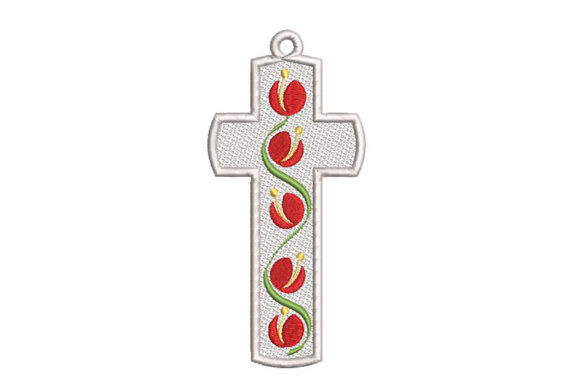
Cross Free Standing Lace: A Designer’s Holiday Review
As an embroidery designer who spends countless hours refining digital files for seasonal collections, I approach every new machine embroidery design with a critical eye. It is not just about whether the stitches look good on the screen; it is about how that design translates into a tangible, sellable product during the high-pressure holiday season. Recently, I reviewed Cross Free Standing Lace, and I want to share my practical insights on how this piece fits into a modern, commercial embroidery workflow.
The first impression of Cross Free Standing Lace is one of delicate sophistication. Unlike bold, filled satin-stitch designs that dominate winter apparel, this free-standing lace (FSL) motif offers a lighter, more ethereal aesthetic. It feels both nostalgic and modern, bridging the gap between traditional heirloom quality and contemporary minimalism. For sellers targeting customers who appreciate subtle elegance over loud graphics, this design is a standout choice. The intricate openwork creates shadows and depth that flat embroidery simply cannot achieve, making it a premium addition to any holiday embroidery lineup.
Understanding the Technical Requirements
Before diving into product ideas, we must address the technical nature of this file. As the description notes, Cross FSL Free Standing Lace requires deeper knowledge because it must be embroidered on a water-soluble stabilizer (WSS). This is not a design you can simply hoop up with cut-away or tear-away backing and stitch onto a sweatshirt directly. The entire structure of the design relies on the temporary support of the WSS, which is washed away after stitching to leave behind a standalone lace element.
For those new to FSL, this adds a step to your production process, but the result is worth the effort. You will need to ensure your machine tension is perfectly balanced, as FSL is unforgiving of loose threads. Since colors are a guideline, you have the freedom to use any thread palette you like. This flexibility is crucial for seasonal embroidery, allowing you to swap traditional reds and greens for icy blues and silvers for winter weddings, or pastels for spring Easter collections. However, always check the specific stitch density and recommended hoop size in the file details before beginning, as these factors dictate which machines can handle the design efficiently.
Strategic Product Applications for the Holidays
When planning a seasonal shop collection, versatility is key. Here is how I envision using Cross Free Standing Lace across various product categories to maximize sales potential:
- Ornaments and Tree Decor: This is the most natural application. Stitched in gold or silver metallic thread, the lace cross becomes a stunning tree ornament. You can reinforce the back with a small piece of felt or ribbon for hanging. These make excellent low-cost add-ons for gift bundles.
- Pillow Covers and Home Decor: Appliquing the finished lace element onto a linen pillow cover adds a touch of rustic charm. It works beautifully on neutral tones like cream, beige, or soft gray, enhancing the cozy atmosphere of holiday home decor.
- Kitchen Towel Embroidery: For a more subtle approach, stitch the FSL design separately and then carefully hand-stitch or machine-appliqué it onto the corner of a high-quality flour sack towel. This elevates a simple kitchen item into a personalized gift ready for hostess presents.
- Embroidered Patches: By stitching the design on a heavier weight WSS or adding a backing after washing, you can create iron-on or sew-on patches. These are perfect for customizing denim jackets, tote bags, or canvas aprons without the bulk of traditional embroidery.
- Tote Bag Design Accents: While you cannot stitch FSL directly onto a bag, attaching the lace motif as a decorative medallion on a canvas tote creates a unique, handmade look that stands out in an Etsy seller’s marketplace.
Navigating Production Challenges
While the aesthetic appeal is high, there are areas where caution is necessary. If you are considering this for a small shop product line, keep the following constraints in mind:
First, avoid using this design on stretchy garments like tight-fitting leggings or thin jersey knits unless it is applied as a separate patch. The rigid nature of lace can cause puckering on highly elastic fabrics. Second, be mindful of fabric texture. If you plan to appliqué the lace onto thick towels or heavy wool, ensure your attachment stitches are strong enough to hold the lace securely without tearing the delicate openwork.
Metallic threads can enhance the festive look, but they are prone to breaking. If you choose metallics, slow down your machine speed and use a needle designed for metallic threads. Additionally, dark fabric backgrounds can sometimes make the delicate details of lace disappear if the thread color does not contrast sufficiently. Always test thread colors on both light and dark fabric scraps to ensure visibility and impact.
Boosting Seasonal Appeal and Brand Value
In the context of commercial embroidery, presentation is everything. Cross Free Standing Lace lends itself beautifully to high-quality photography. The three-dimensional nature of FSL catches light differently than flat stitches, allowing for dramatic close-up shots that highlight craftsmanship. Use these images in your printable mockup templates and social media previews to convey the premium quality of your work.
This design also supports brand consistency for shops focusing on elegant, timeless styles. It avoids trendy fonts or cartoonish graphics that may date quickly, ensuring your inventory remains relevant beyond a single holiday season. By offering items featuring this lace, you signal to customers that your brand values detail and tradition, which builds trust and encourages repeat business.
Practical Designer Notes for Success
To ensure the best results with this digital embroidery file, follow these practical steps:
- Test Your Stabilizer: Not all water-soluble stabilizers are created equal. Some dissolve completely, while others leave a slight residue. Choose one that matches your desired finish—stiff for ornaments, softer for apparel accents.
- Check Hoop Size Compatibility: Confirm that the design fits within your available hoop sizes. If the design is large, ensure your machine can handle the required field without re-hooping, which can misalign FSL patterns.
- Create Realistic Mockups: Before listing, create mockups that show the lace in situ. Show it on a pillow, as an ornament, and on a tote. Help the customer visualize the finished product.
- Review Commercial Licensing: Always confirm the license terms provided with the file. Ensure you have the right to sell physical items made with the design, especially if you are scaling up for holiday rushes.
- Plan Color Palettes: Develop three distinct colorways for your marketing materials: Traditional (Red/Green), Winter Elegance (Silver/White), and Modern Neutral (Gold/Cream). This shows versatility to potential buyers.
In conclusion, Cross Free Standing Lace is a valuable asset for any embroidery designer looking to expand their Work portfolio with high-end, seasonal items. It requires skill and attention to detail, but the resulting products offer a level of refinement that commands higher price points and attracts discerning customers. By understanding the technical requirements and leveraging its decorative potential across various mediums, you can create a cohesive and profitable holiday collection that stands out in the crowded handmade marketplace.