Lace Bell: A Designer’s Review for Boutique Sweatshirts
As an embroidery designer who has spent years refining digitizing techniques for small clothing brands, I approach every new machine embroidery design with a critical eye. It is not just about whether the stitches look good on a test piece of cotton; it is about how that design translates to a finished product that sells. Recently, I evaluated Lace Bell, a festive motif intended for free-standing lace applications, with a specific goal in mind: integrating it into a premium sweatshirt collection for a boutique brand. The challenge was to determine if this delicate, intricate design could hold its own against the heavy, cozy texture of modern apparel.
First Impressions: Mood and Aesthetic Appeal
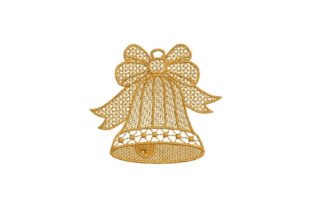
The first thing that strikes you about Lace Bell is its inherent elegance. Unlike bold, blocky logos often used in streetwear, this design leans heavily into the decorative and feminine side of Christmas aesthetics. The concept of stitching this design on water-soluble fabric to create a free-standing lace ornament suggests a high level of detail and fragility. For a designer, this signals a need for precision. The mood is rustic yet refined, perfect for brands that want to evoke nostalgia and warmth without appearing childish or overly commercial.
When I visualized Lace Bell on neutral sweatshirts, the contrast was immediate. On a cream or oatmeal-colored hoodie, the lace structure would provide a subtle, textural highlight rather than a loud graphic statement. This is crucial for boutique brands targeting customers who prefer minimal, sophisticated holiday wear. However, on dark fabrics like charcoal or navy, the design requires careful consideration of thread colors. A metallic gold or bright white thread would be essential to ensure the intricate loops and curves of the bell remain visible against the deep background.
Application on Sweatshirts and Hoodies
Integrating a free-standing lace element into sweatshirt embroidery is not a standard procedure, which is exactly why it stands out. Most hoodie designs rely on flat satin stitches or fill stitches that sit on top of the fabric. Lace Bell, by nature, creates a three-dimensional effect. Here is how I envision it working across different placements:
- Chest Placement: Centered on the chest of an oversized hoodie, the bell acts as a focal point. Because it is free-standing lace, it will have a slight lift from the garment, creating a tactile experience for the wearer. This adds perceived value to the custom apparel.
- Sleeve Accents: Placing a smaller version of the design on the lower sleeve offers a subtle nod to the season. It is less intrusive than a chest logo and appeals to customers who prefer understated branding.
- Back Designs: For a bold statement, a larger scale of Lace Bell could work on the upper back, perhaps accompanied by minimal text. However, one must consider the durability of free-standing lace in areas subject to friction, such as against chair backs.
The key to success here is understanding the fabric texture. Sweatshirts are thick and often have a fuzzy surface. The crispness of the water-soluble vilene lace contrasts beautifully with the softness of the fleece, creating a dynamic interplay of materials. This contrast is what elevates a small shop product from generic to gourmet.
Technical Considerations for Production
From a technical standpoint, producing Lace Bell for commercial use requires attention to detail. The product description notes that two layers of water-soluble vilene are suggested. This is non-negotiable for maintaining the structural integrity of the bell. If you skip this step, the lace may collapse or lose its shape during washing, which is a disaster for any Etsy seller concerned with returns and negative reviews.
Another critical factor is stitch density. Free-standing lace designs typically have higher density to support themselves without fabric backing. When applying this to a sweatshirt, you must ensure that the hoop placement is secure. The weight of the sweatshirt combined with the tension of the lace stitching can cause shifting if not hooped correctly. I recommend using a strong, adhesive-backed stabilizer underneath the sweatshirt fabric in addition to the water-soluble layers for the lace itself, anchoring the entire assembly during the embroidery process.
Regarding hoop size, since the design comes with multiple embroidery file options, you have flexibility. However, always check the specific dimensions before production. A design that is too small may lose its readability, with the delicate lace holes blending into a solid mass of thread. Conversely, a design that is too large may become heavy and uncomfortable on a lightweight sweatshirt. Test stitches on actual garment fabric are essential to gauge the final look and feel.
Brand Identity and Market Value
For creative entrepreneurs and handmade business owners, the choice of design directly impacts brand identity. Lace Bell communicates a sense of care and craftsmanship. It is not a quick, heat-pressed transfer; it is a textured, engineered piece of art. This perception of quality allows boutique brands to command higher price points. Customers are willing to pay more for items that feel unique and specially made.
In terms of digital embroidery file assets, having multiple formats ensures compatibility with various machines, which is vital for shops scaling up production. Whether you are running a single-head machine for custom orders or a multi-head setup for batch production, the versatility of the file types supports efficient workflow.
Furthermore, this design enhances visual recognition. In a sea of generic snowflake prints, a free-standing lace bell on a sleeve or chest is instantly recognizable. It becomes a signature element of your boutique brand. When photographed for printable mockup previews or lifestyle shots, the light catching the edges of the lace creates depth and interest that flat designs cannot achieve. This leads to higher customer engagement on social media and better conversion rates on online listings.
Durability and Care Instructions
A common concern with free-standing lace on apparel is durability. Will it survive the wash? With proper stabilization and high-quality thread, Lace Bell is robust. However, it is wise to advise customers to wash their garments inside out on a gentle cycle. This protects the lace from snagging on zippers or other clothes. Providing clear care instructions builds buyer trust and reduces the likelihood of damage claims, reinforcing your reputation as a professional commercial embroidery provider.
It is also important to note that while the design is categorized under Christmas, its aesthetic is versatile enough for winter-themed collections beyond December. By positioning it as a "winter lace" element, you extend the selling season of your finished product, maximizing the return on your design investment.
Final Verdict for Designers
Lace Bell is a sophisticated choice for designers looking to add a touch of luxury to casual wear. It bridges the gap between traditional Embroidery techniques and modern apparel trends. For those preparing a limited drop, this design offers the uniqueness needed to stand out in a crowded market. Remember to verify the specific stitch count and recommended needle sizes from the included files, as these details can vary. With careful execution, Lace Bell can become a standout feature in your seasonal collection, enhancing both the visual appeal and the perceived value of your handmade products.