Pride LGBTQIA Embroidery Design Review
As an embroidery designer who has spent years digitizing patterns and testing them on everything from delicate muslin to heavy canvas, I approach every new machine embroidery design with a critical eye. It is not just about whether the file opens correctly; it is about how the final stitched product feels in the hand and looks in a customer’s home. Recently, I had the opportunity to test the Pride LGBTQIA design for a potential addition to a personalized gift shop’s inventory. This review breaks down my experience, focusing on its viability as a meaningful, high-quality personalized gift for diverse audiences.
First Impressions: Mood and Visual Appeal
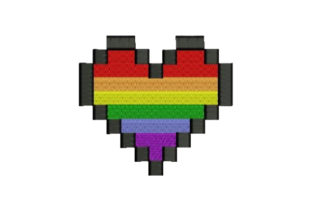
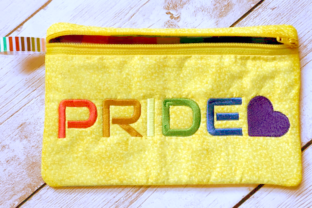
The first thing that strikes you about the Pride LGBTQIA design is its immediate emotional resonance. The concept is simple yet powerful: the word “PRIDE” followed by a heart, with each letter rendered in a different color. This structure allows for incredible versatility. You can stitch it in the traditional rainbow spectrum to celebrate LGBTQIA+ heritage, or you can adapt the thread colors to match specific flags, such as the Progress Pride flag, or even coordinate with a nursery’s color palette.
The mood is undeniably warm and inclusive. It feels modern and playful, yet it retains a classic charm that prevents it from feeling like a fleeting trend. For a small shop product, this balance is crucial. It appeals to buyers looking for something sweet and handmade without sacrificing elegance. The inclusion of the heart adds a layer of affection, transforming a statement of identity into a gesture of love. This makes it suitable not just for political expression, but for family keepsakes and celebratory gifts.
Versatility Across Product Categories
One of the strongest assets of this design is its adaptability across various substrates. In my testing, I considered how it would perform on several common items found in an Etsy seller’s catalog.
- Baby Embroidery: For baby blankets or onesies, the design offers a wonderful way to create inclusive nursery decor. The colorful letters are engaging for infants, while the message speaks to the values of the parents. However, when working on stretchy baby clothes, careful attention to stabilization is required to prevent puckering.
- Wedding Gifts: A custom embroidered towel or pillow cover featuring this design can serve as a thoughtful wedding gift for couples celebrating their union. It adds a personal touch that mass-produced items lack, enhancing the perceived value of the handmade product.
- Home Decor: On tote bags and aprons, the design stands out boldly. The contrast of the multi-colored letters against a neutral fabric background creates a striking visual that works well for everyday use. An embroidered towel with this motif becomes both a functional kitchen item and a conversation starter.
- Awareness Campaigns: Within the Awareness category, this design serves as a subtle yet proud declaration. It is perfect for pride month merchandise or year-round support items, appealing to allies and community members alike.
Technical Considerations and Stitching Performance
While the aesthetic appeal is high, the technical execution requires careful planning. As a designer, I always advise checking the specific details of the digital embroidery file before committing to a large batch. Since the product description notes that each letter is a different color, you must anticipate multiple thread changes. This impacts production time and cost, which is vital for commercial embroidery operations.
Fabric texture plays a significant role in the final outcome. On smooth cotton or linen, the letters will appear crisp and defined. However, on textured fabrics like terry cloth towels or fuzzy fleece blankets, smaller details might get lost. I recommend running a test stitch on scrap fabric that matches your intended product material. This allows you to verify the stitch density and ensure that the colors blend well without excessive overlapping or gaps.
Another critical factor is the hoop size. Ensure that your machine’s hoop can accommodate the full width of the word “PRIDE” plus the heart. If the design is too large for your standard hoop, you may need to resize it, which could affect the clarity of the stitches. Always confirm the recommended hoop size provided with the file. Additionally, using the proper stabilizer is non-negotiable. For lightweight fabrics, a cut-away stabilizer provides lasting support, while tear-away might suffice for sturdier materials like denim tote bags.
Navigating Challenges with Dark and Delicate Fabrics
Working with dark fabric presents a unique challenge for multi-colored designs. The vibrant threads of the Pride LGBTQIA design will pop beautifully against black or navy, but you must ensure there is no underlying white bobbin thread showing through. Using a top-stitch bobbin thread that matches the top thread or employing a underlay stitch strategy can mitigate this issue.
For delicate items, such as sheer curtains or fine silk pillowcases, the stitch density must be low enough to prevent damage to the fabric. If the design feels too heavy, consider reducing the density in your editing software or choosing a larger font variation if available. Always check small details after stitching to ensure the heart shape remains distinct and the letters are legible.
Enhancing Giftability and Customer Trust
In the world of online sales, particularly for Etsy sellers and digital product sellers, presentation is everything. The Pride LGBTQIA design enhances giftability by offering an immediate emotional connection. Buyers are not just purchasing a stitched item; they are buying a symbol of acceptance and love. This emotional weight increases the perceived value of the finished product.
To maximize buyer engagement, use high-quality printable mockup images that show the design on various products. Compare light and dark fabric mockups to demonstrate versatility. Show the design on a cozy blanket, a stylish tote, and a cute baby bib. This helps customers visualize the item in their own lives, building trust in your craftsmanship. When customers see that you have tested the design on different materials, they feel more confident in placing a custom embroidery order.
Final Verdict for Makers and Sellers
The Pride LGBTQIA design is a strong contender for any maker specializing in meaningful, personalized goods. Its strength lies in its simplicity and color flexibility, making it a versatile tool for wedding gift creators, baby product designers, and awareness advocates. However, success depends on meticulous preparation.
Before listing this as a small shop product, take the time to understand the licensing terms. Confirm whether the digital embroidery file includes commercial rights for selling finished physical goods. Never assume; always read the license agreement. Once cleared, test extensively. Check thread color contrast, verify hoop compatibility, and ensure your stabilizer choice matches your fabric.
By treating this design with the care it deserves, you can create products that resonate deeply with customers. Whether it is a blanket embroidery for a newborn or a custom tote for a pride parade, this design offers a beautiful way to stitch love and identity into everyday objects. For the experienced maker, it is not just a pattern; it is an opportunity to connect with community through craft.