Wild Tiger Face: A Designer’s Review for Boutique Sweatshirts
As an embroidery designer who has spent years refining digitized art for commercial apparel, I approach every new machine embroidery design with a critical eye. It is not just about whether the image looks good on a screen; it is about how those stitches will behave on fabric, how they will hold up after washing, and ultimately, how they elevate a brand’s identity. Recently, I had the opportunity to test the Wild Tiger Face design for a limited-edition sweatshirt drop for a small boutique client. The goal was simple: create a statement piece that feels premium, bold, and unmistakably unique. Here is my professional evaluation of this fierce and beautifully detailed embroidery asset.
First Impressions: Mood and Stitching Personality
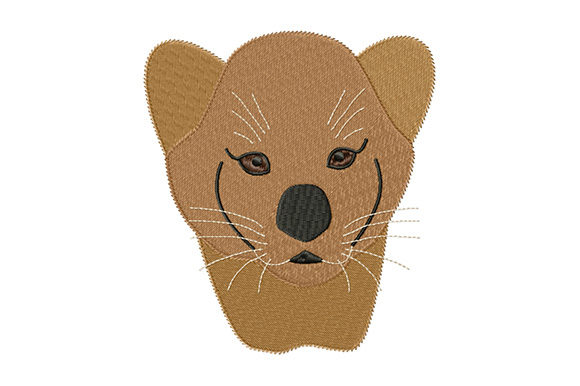
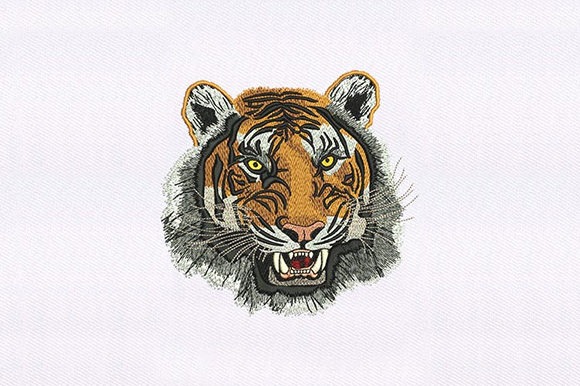
The moment I loaded the Wild Tiger Face into my editing software, the immediate impression was one of intensity and character. This is not a cartoonish or overly simplified graphic. It falls squarely into the Wild Animals category, but with a refined artistic touch that suits modern fashion trends. The layout is centered and balanced, which is crucial for chest or back placements. The detail level suggests a high-quality embroidery file that prioritizes texture over flat color blocks.
The stitching personality appears robust. For a design intended to add character to creative projects, the interplay of light and shadow through thread direction is key. In this case, the tiger’s features are defined by varied stitch angles, giving the fur a realistic, tactile quality. This makes the design feel less like a printed logo and more like a piece of wearable art. For boutique brands, this distinction is vital. It signals to the customer that the item is a handmade product crafted with care, rather than mass-produced merchandise.
Styling for Sweatshirts and Hoodies
When planning a collection, fabric choice dictates design success. I tested the visual impact of Wild Tiger Face across several common apparel bases. On neutral sweatshirts, such as heather grey or oatmeal, the design pops with a rustic, organic vibe. The natural tones of the fabric complement the earthy thread colors typically used in tiger imagery, creating a cohesive, high-end look.
For dark fabric, like charcoal or black fleece, the design requires careful thread selection. High-contrast threads are necessary to ensure the details do not get lost in the shadows. When executed correctly, the result is dramatic and bold, perfect for streetwear-inspired lines. Conversely, placing this fierce motif on pastel colors or oversized hoodies creates an interesting juxtaposition. It softens the aggression of the tiger, making the piece feel playful yet decorative. This versatility allows Etsy sellers and small shop owners to market the same digital embroidery file to different demographics, from edgy teens to cozy lifestyle enthusiasts.
The design works exceptionally well for sweatshirt embroidery because the density of the stitching provides structure. On thinner fabrics, this might cause puckering, but on the thick, cozy material of a premium hoodie, the weight of the embroidery adds to the garment's perceived value. It feels substantial and durable.
Placement Strategies for Maximum Impact
Where you place the Wild Tiger Face changes its narrative entirely. For a standard retail look, a left-chest placement offers a subtle nod to branding. However, given the detailed nature of this design, shrinking it too much could compromise readability. It is essential to check the minimum recommended hoop size before attempting small-scale applications. If the details become muddy, the fierce expression loses its impact.
For a true statement piece, I recommend using this as a back design. A large-scale embroidery on the back of a jacket or hoodie turns the garment into a canvas. This approach is popular in custom apparel markets where buyers seek unique, one-of-a-kind items. Additionally, consider sleeve accents. Using a cropped version or a specific element of the tiger’s eye or paw on the sleeve can create a coordinated set when paired with the main back design. This level of thoughtful placement enhances the finished product and encourages higher price points.
Technical Considerations for Production
From a technical standpoint, there are several factors to address before running this design on a production machine. First, stitch density is a double-edged sword. While high density creates rich coverage, it can perforate delicate fabrics or cause stiffness. For heavy sweatshirt material, this is rarely an issue, but always test on your specific fabric batch. Using the correct stabilizer is non-negotiable. A cut-away stabilizer is generally recommended for knit fabrics like fleece to prevent distortion during wear and washing.
Thread color contrast is another critical element. The beauty of Wild Tiger Face lies in its shading. Ensure your thread chart matches the digitizer’s intent. Subtle shifts in orange, brown, and white threads create the depth that makes the tiger look alive. Poor color choices can flatten the image, making it look amateurish. Always run a test stitch-out to verify that the fabric texture does not interfere with the finer details of the eyes or whiskers.
Washing durability is a major concern for commercial use. Because this is a detailed design, ensure that jump stitches are trimmed cleanly and that the backing is secure. Customers expect their small shop product to last. A well-executed embroidery should withstand multiple washes without fraying or losing its shape. This reliability builds buyer trust and reduces return rates.
Enhancing Brand Identity and Value
Incorporating Wild Tiger Face into your lineup does more than just decorate a garment; it strengthens your brand identity. For creative entrepreneurs, offering unique, high-quality design assets sets you apart from competitors using generic clipart. This design exudes confidence and strength, traits that resonate with customers looking for empowering apparel.
Visual recognition is key in the crowded online marketplace. A distinctive tiger face becomes a signature element of your store. When used in printable mockup previews and lifestyle product photography, it draws the eye and increases customer engagement. High-resolution images of the embroidered texture can highlight the craftsmanship, justifying a premium price point. For commercial embroidery businesses, this translates to higher perceived value and better profit margins.
Furthermore, this design supports diverse marketing angles. It can be positioned as a symbol of wild beauty, a tribute to nature, or simply a bold fashion statement. This flexibility allows you to tailor your messaging to different seasons, such as cozy winter drops or adventurous spring collections.
Final Verdict for Designers and Sellers
The Wild Tiger Face is a strong contender for any designer looking to add a powerful animal motif to their portfolio. It balances artistic detail with practical applicability on heavy garments. While it requires attention to technical details like stabilizer choice and thread contrast, the rewards are worth the effort. It transforms a basic sweatshirt into a coveted item.
Before starting production, always verify the specific file formats and hoop requirements included in the download, as these details were not explicitly provided in the initial description. Ensuring compatibility with your machine is the first step to a successful run. For Etsy sellers, boutique owners, and apparel decorators, this design offers a reliable way to create standout pieces that customers love. It is not just an embroidery pattern; it is a tool for building a memorable brand.
In conclusion, if you are seeking a design that delivers both aesthetic appeal and commercial viability, Wild Tiger Face meets the mark. It is fierce, detailed, and ready to elevate your next creative project. Embrace the challenge of working with complex textures, and you will find that this design adds significant character to your collection.